Era · 1923–1934
The Rise in Cairo
الصعود في القاهرة
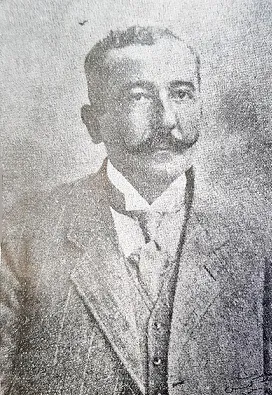
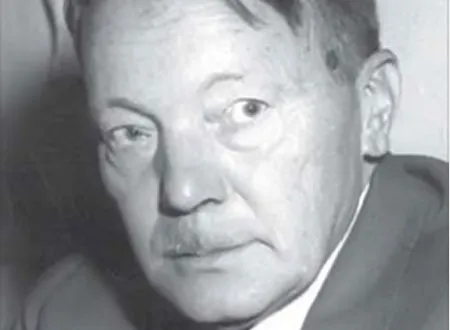
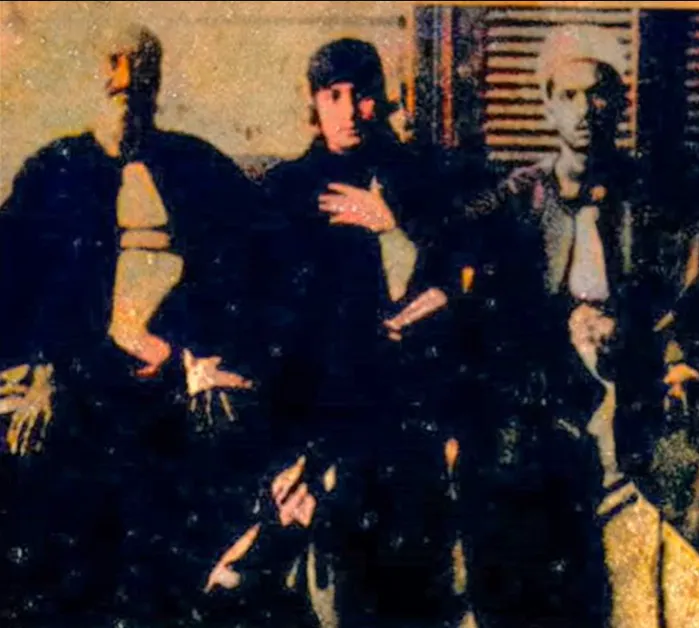
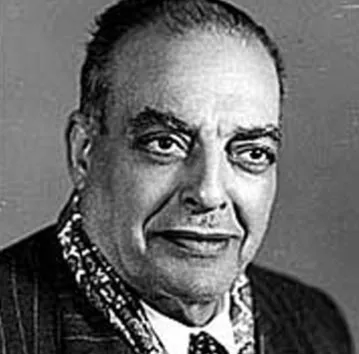
When the family settled in Cairo around 1923, Umm Kulthum arrived as a curiosity: a Delta girl in bedouin dress singing religious repertoire in a capital whose entertainment world prized urban sophistication. Early notices condescended. Her answer was a deliberate, total self-reinvention. She put herself under the city's best teachers: Sheikh Abu al-Ila Muhammad passed on the classical vocal art; the poet Ahmed Rami, whom she met in 1924, tutored her in literature, refined her diction and began writing her songs; Zakariyya Ahmad composed for her. In 1926 came the decisive break — she dismissed the family ensemble and hired a professional takht of the city's finest instrumentalists, exchanged the bedouin coat for elegant gowns, and rebuilt her stage presence into something dignified and formidable. By the end of the decade, recording contracts with labels such as Gramophone and Odeon had made her one of the highest-paid musicians in Egypt, overtaking the established queens of Cairo's stage, Munira al-Mahdiyya among them. The rustic girl had become the city's most disciplined star — perfectly positioned, though no one yet knew it, to dominate the new medium about to arrive: radio.
Gallery