Lyricist
Abdel Fattah Mustafa عبد الفتاح مصطفى
1924–1984
A law graduate and radio man rather than a salon poet, Abdel Fattah Mustafa wrote some of the most quietly durable lyrics of Umm Kulthum's later years. Born in Cairo's old…
Star of the East
The lyricists and composers behind Umm Kulthum’s repertoire — the poets and musicians who shaped her songs.
Lyricist
1924–1984
A law graduate and radio man rather than a salon poet, Abdel Fattah Mustafa wrote some of the most quietly durable lyrics of Umm Kulthum's later years. Born in Cairo's old…
Lyricist
1930–1996
Two men named Abdel Wahab meet in "Fakkarouni" (1966): the composer Mohammed Abdel Wahab, who set it, and the lyricist Abdel Wahab Mohamed, who wrote it — a younger namesake and…
Lyricist
932–968
Ten centuries separate Abu Firas al-Hamdani from Umm Kulthum, yet when she sang "Araka Assiya al-Dam'" in 1965 the distance vanished. A prince of the Hamdanid dynasty and cousin…
Lyricist
1929–2008
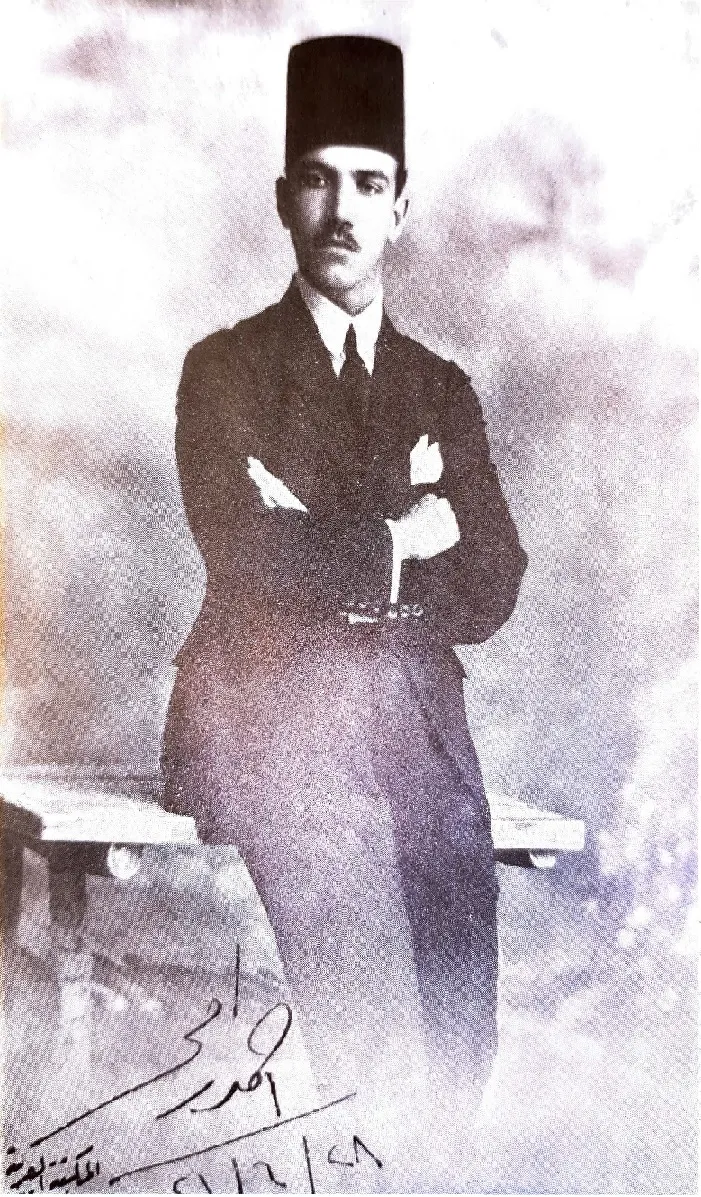
Ahmad Shafiq Kamel earned his place in this story with a single song: he wrote "Enta Omri" (1964), the lyric that finally united Umm Kulthum with composer Mohammed Abdel Wahab…
Lyricist
1892–1981
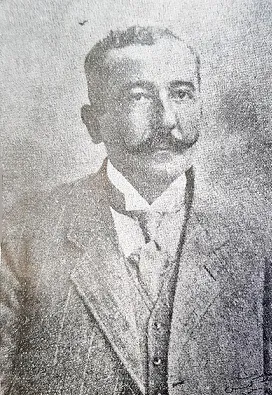
No poet's words passed Umm Kulthum's lips more often than Ahmed Rami's. Over nearly six decades he wrote her roughly a hundred and forty lyrics — by most counts close to half of…
Lyricist
1868–1932
Ahmed Shawqi never heard Umm Kulthum sing his greatest poems: he died in 1932, before her partnership with Riad Al-Sunbati turned his qasidas into the towering monuments of her…
Lyricist
1927–2006
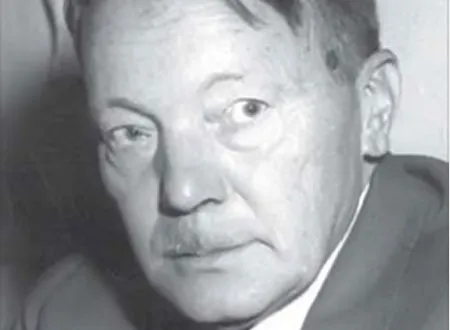
Al-Hadi Adam gave Umm Kulthum her one Sudanese lyric — and one of the most trembling openings in her late repertoire. Born in 1927 in al-Hilaliyya on Sudan's Blue Nile, he crossed…
Lyricist
1893–1961
Bayram al-Tunisi lifted Egyptian colloquial poetry from the street to the summit of art song. Born in Alexandria to a family of Tunisian origin, he made his name with zajal —…
Lyricist
1931–2014
George Jardaq wrote one song for Umm Kulthum — "Hazihi Laylati," "This Is My Night" — and it was enough to lodge a Lebanese man of letters permanently in her repertoire. Born in…
Lyricist
1872–1932
Hafez Ibrahim was born on a houseboat moored on the Nile at Dairut, and the river never left his name: Ahmed Shawqi himself crowned him Sha'ir al-Nil — Poet of the Nile — though…
Lyricist
1898–1953
Ibrahim Nagi never heard Umm Kulthum sing his masterpiece: the physician-poet died in 1953, thirteen years before she premiered "Al-Atlal" (1966), Riad Al-Sunbati's monumental…
Lyricist
1914–1994
Egyptians called Mamoun Al-Shinnawi the poet of a thousand songs, and the count is barely an exaggeration: born in 1914 into a literary Delta family — his elder brother was the…
Lyricist
1921–1980
Morsi Gamil Aziz was the lyric voice of Umm Kulthum's late partnership with composer Baligh Hamdi. Born in Zagazig in the Nile Delta, he became one of Egypt's most sought-after…
Composer
1931–1993
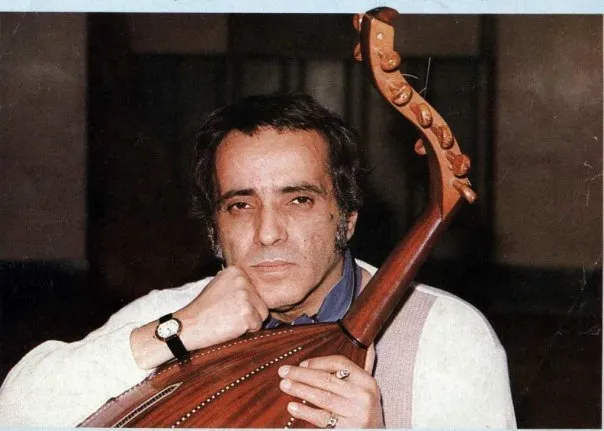
Baligh Hamdi was not yet thirty when Umm Kulthum, then past sixty, gambled on him with "Hobb Eih" (1960) — and won a new youth. The Cairo-born composer, already a rising force in…
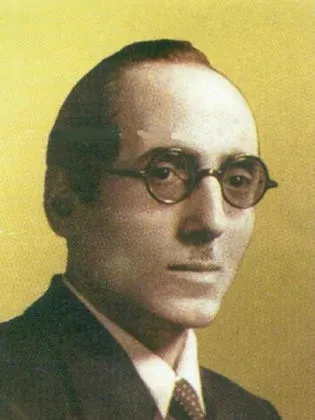
Composer
1892–1966
Before Sunbati and Abdel Wahab, there was Qasabgi. Son of an Azhar-trained musician sheikh, Mohamed El-Qasabgi was Umm Kulthum's first great modernist: he began composing for her…
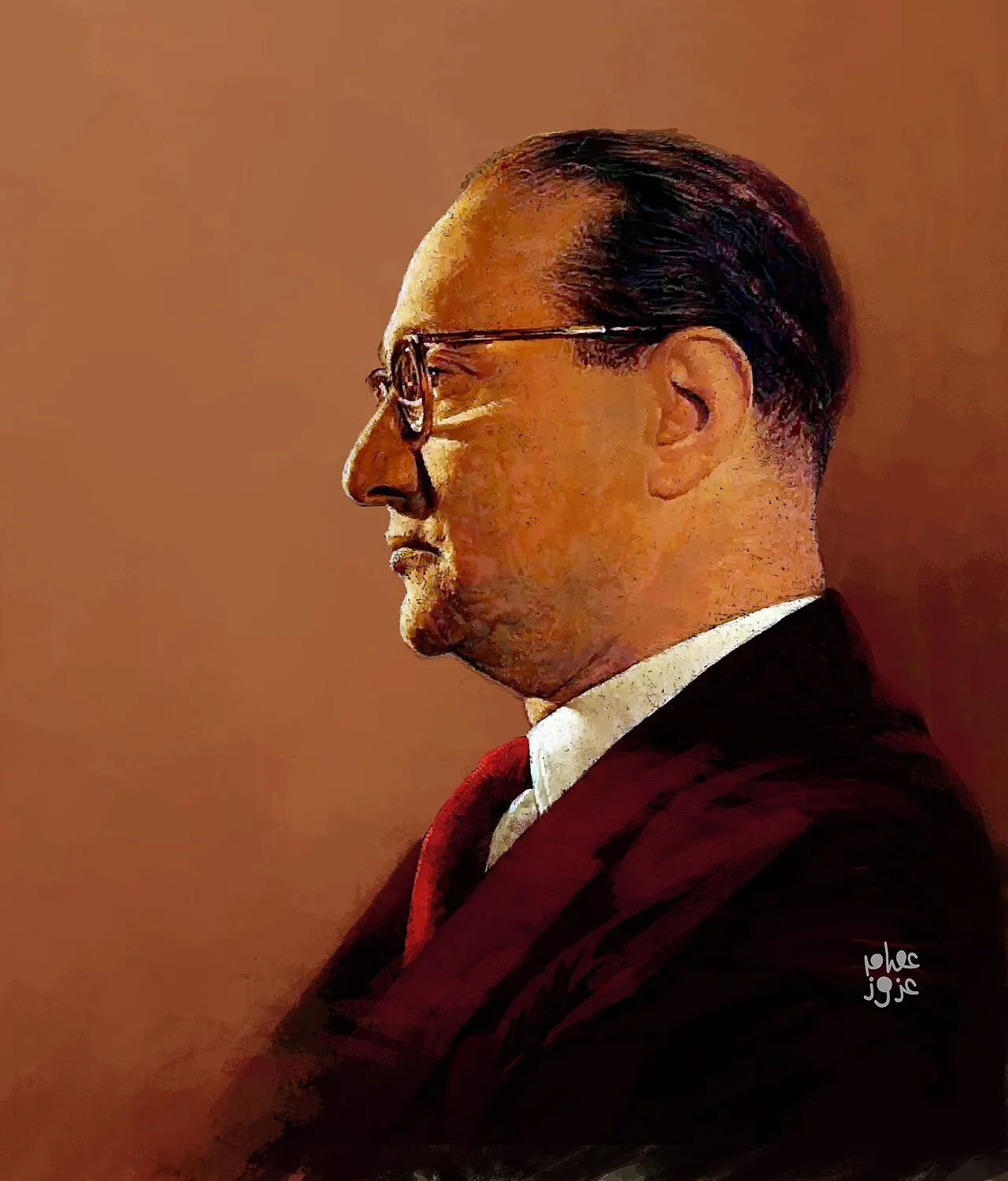
Composer
1902–1991
Mohammed Abdel Wahab was Umm Kulthum's great rival long before he became her collaborator. Singer, film star and the most restlessly modern composer of his generation, he spent…
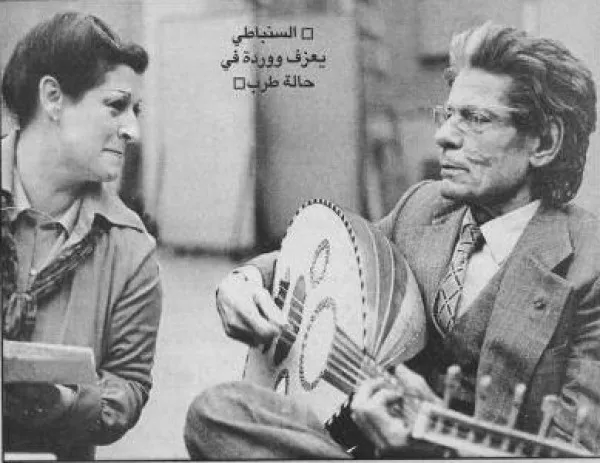
Composer
1906–1981
No composer shaped Umm Kulthum's art more deeply than Riad Al-Sunbati. Born in the Delta town of Farskur and trained on the oud — his playing remains a benchmark for the…
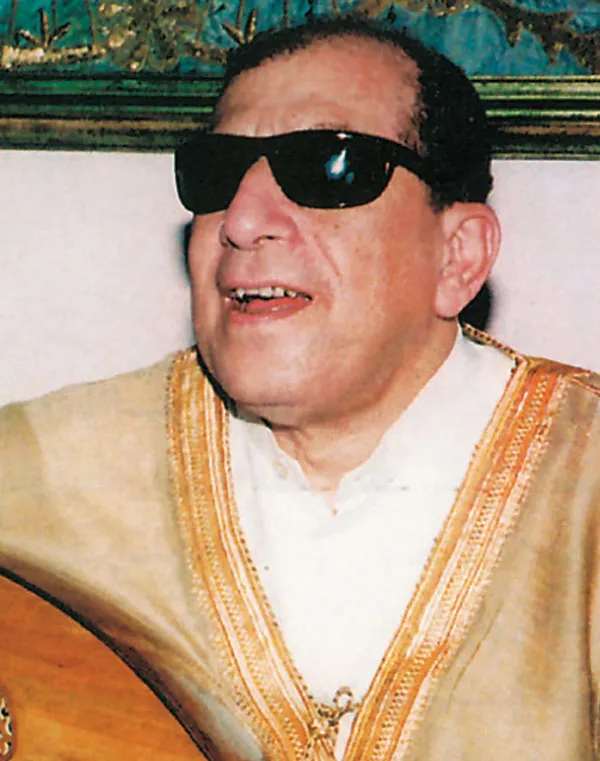
Composer
1927–1997
When Umm Kulthum premiered "Ya Msaharni" in 1972, its composer stood for both the newest and the oldest thing in her art. Sayed Mekawy, blind since infancy, was raised in Cairo's…
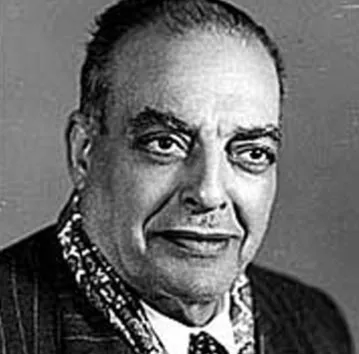
Composer
1896–1961
Zakariyya Ahmad knew Umm Kulthum's voice before Cairo did: the composer, trained in Qur'anic recitation and religious song, heard her performing in the Delta and was among those…