Umm Kulthum is the rare artist whose life story doubles as the story of a country. Born in a Nile Delta village around the turn of the twentieth century and mourned, three-quarters of a century later, by one of the largest funeral gatherings in modern history, she rose through mosque recitation, wedding tents, gramophone records, radio, and the concert stage until her voice had become — in a phrase repeated across the Arab world without exaggeration — the voice of Egypt itself.
A Childhood in the Delta
She was born Fatima Ibrahim al-Sayyid al-Baltaji in Tamay al-Zahayra, a small village in the Dakahlia governorate of the Nile Delta. Her exact birth date is uncertain — village record-keeping was loose, and the dates on later official papers were never fully settled — but it fell around 1898. Her father was the village imam, and the family income was pieced together from his mosque duties and from singing religious songs at weddings and saints’ festivals.
It was in that trade that her gift announced itself. Trained first as a Quran reciter, she absorbed the discipline that would mark her singing for the rest of her life: exact articulation of every letter, breath measured in long arcs rather than short phrases, and the conviction that the meaning of a text is the source of its music. When her father realized that audiences would pay to hear the girl, he brought her into the family troupe — famously dressing her in a boy’s coat to soften the scandal of a girl performing in public. Word of the child with the improbable voice traveled up the Delta, and eventually to Cairo.
Cairo
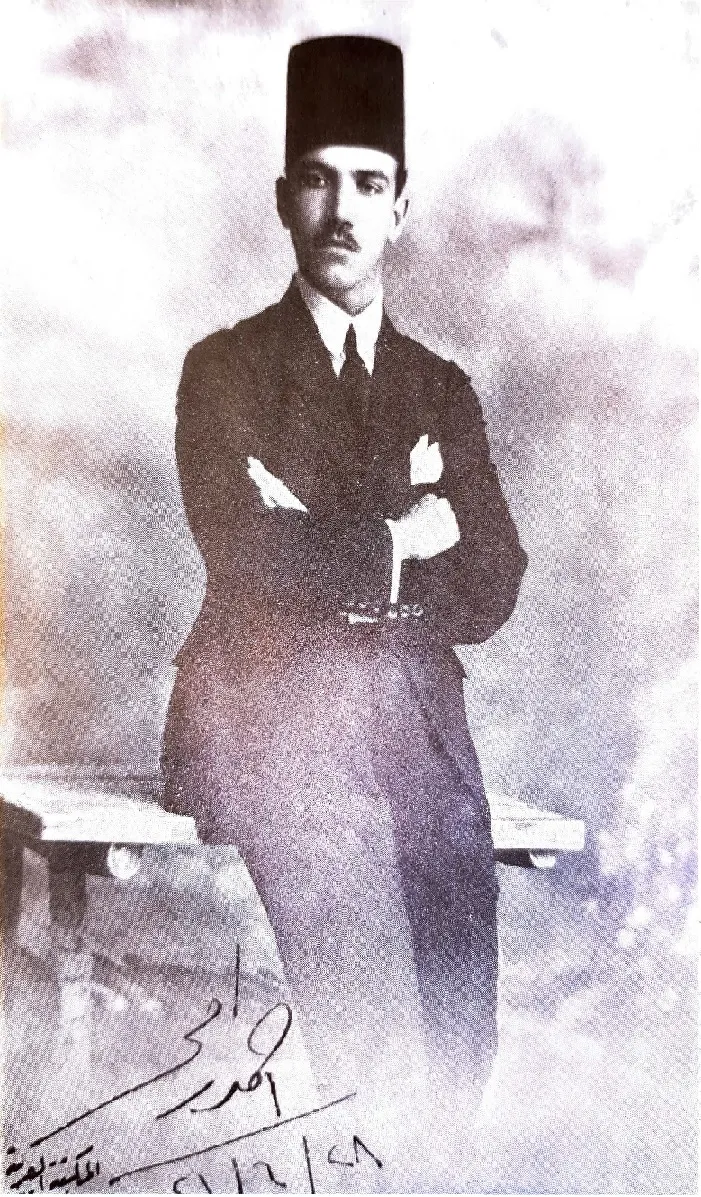
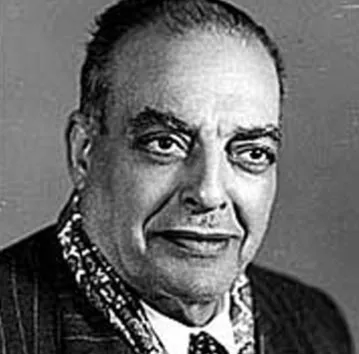
Around 1923 the family moved to the capital, then the unrivaled center of Arab music and entertainment. Established artists took the young provincial singer in hand. The composer Zakariyya Ahmad, who had heard her in the countryside and urged the move, championed her early and would write for her across four decades. The poet Ahmed Rami heard her shortly after his return from studies in Paris and began a partnership that lasted the rest of both their lives: he tutored her in classical literature, refined her taste, and went on to write more of her lyrics than any other poet.
Piece by piece she shed the village religious repertoire, mastered the classical Arabic art song, replaced her family accompanists with Cairo’s finest takht musicians, and learned to command a stage. By the end of the 1920s she was among the best-paid singers in Egypt; by the early 1930s she had no serious rival.
The Radio Age
When Egyptian state radio began broadcasting in 1934, hers was among the first voices it carried, and the medium might have been invented for her. Gramophone records had trimmed songs to a few minutes a side; radio could carry an entire evening. Her monthly concerts, broadcast live on the first Thursday of the month, became an institution kept far beyond Egypt’s borders.
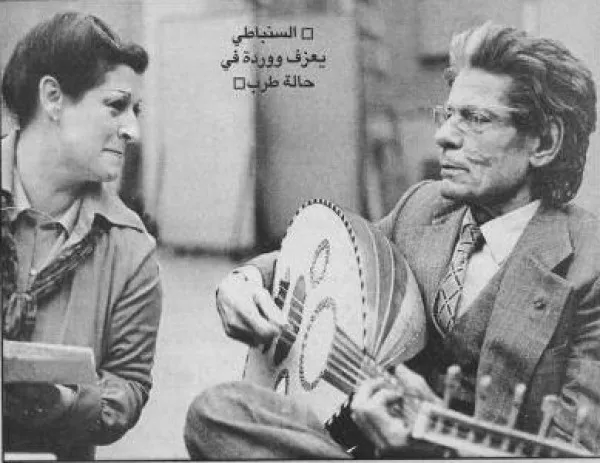
Through the 1930s and 1940s she also starred in a handful of musical films and broadened her range in two directions at once: the buoyant colloquial songs she made with Zakariyya Ahmad and the poet Bayram al-Tunisi, such as Ghanni Li Shwayya (1945), and the monumental classical settings composed for her by Riad al-Sunbati, the musician most closely identified with her mature style.
The National Stage
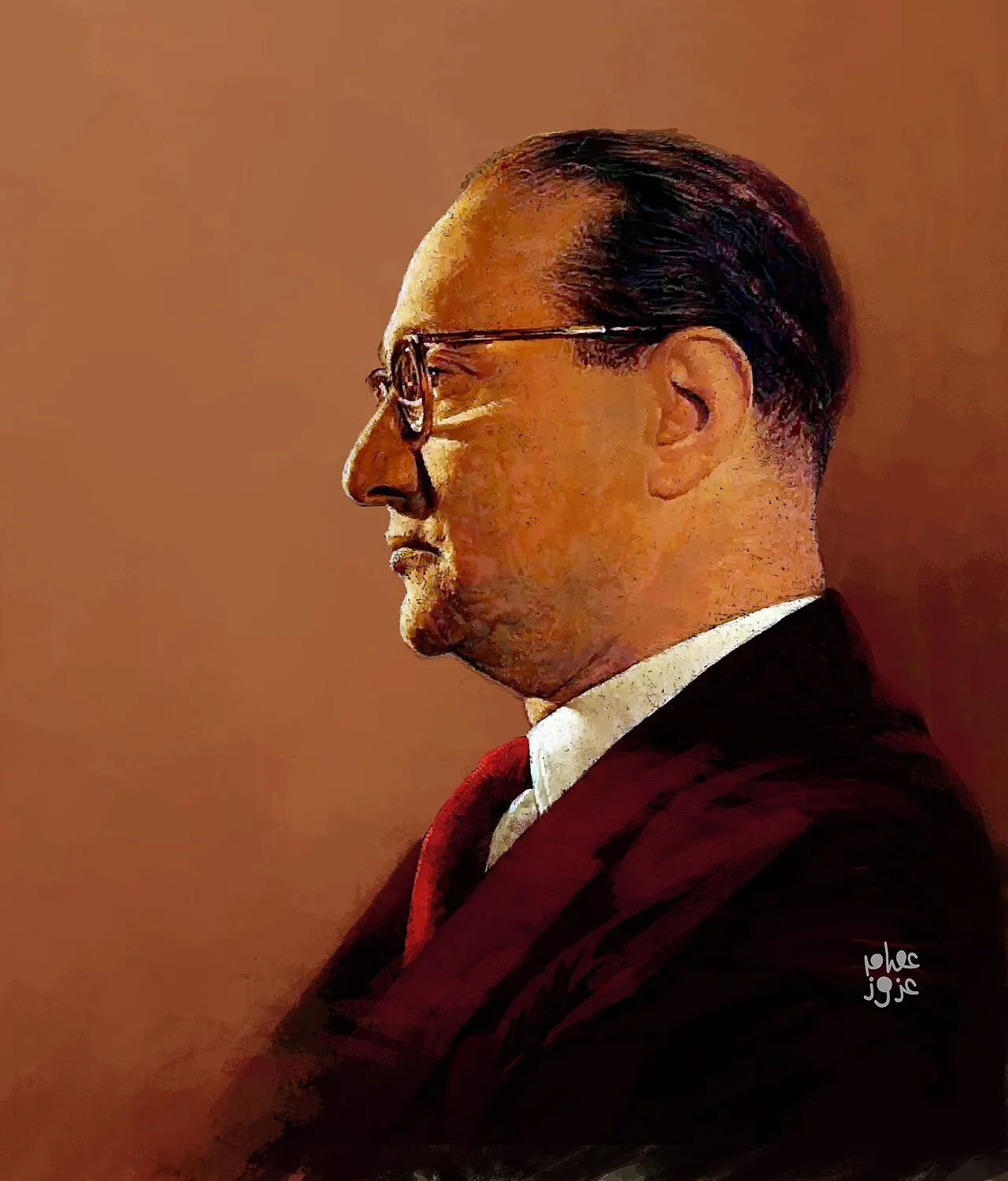
Umm Kulthum sang for the republic proclaimed in the 1950s as she had sung for the monarchy before it, and the new state understood her value: her concerts and patriotic songs became part of how Egypt heard itself. In 1964 came the collaboration a generation had thought impossible — with Mohammed Abdel Wahab, the great modernizer of Egyptian composition and her longtime rival for the public’s ear. Their first work together, Enta Omri, was received as a national event; the press called the partnership “the meeting of the clouds.” Two years later Al-Atlal, composed by al-Sunbati on the poetry of Ibrahim Nagi, gave her what many consider the single summit of her art.
After the defeat of June 1967, she remade her stardom into service. She toured Egypt and the Arab world — and famously Paris — giving concerts whose proceeds went to the Egyptian state, a chapter told more fully in Voice of the Nation.
The Final Years
Her health declined through the early 1970s, and kidney and heart ailments gradually forced her from the stage; she gave her last full concert in 1972. When she died in Cairo on 3 February 1975, the response had no precedent. Her funeral drew mourners in the millions; at points the crowd took the bier from its planned procession and carried it through the streets for hours. Foreign correspondents groped for comparisons and found none that fit.
What Remains
Half a century later, her recordings are still daily fare on Arab radio, and the monthly rhythm of her concerts survives in the habits of listeners who were born long after her death. The discipline of the Quran school, the poetry of Rami and Nagi, the craft of Zakariyya Ahmad, al-Sunbati, and Abdel Wahab — all of it met in one voice, and the voice held. Her life ran from the lantern-lit weddings of the Delta to the microphones of a mass society, and she never lost the first audience while winning the second.