الأغاني
مصر تتحدث عن نفسها
Misr Tatahaddath An Nafsiha (Egypt Speaks of Herself)
- السنة
- 1951
- كلمات
- حافظ إبراهيم
- ألحان
- رياض السنباطي
- المقام
- Rast
السطور الموسومة بعلامة ذهبية تحمل شرحًا — اختر أيّها لقراءته.
وَقَفَ الخَلقُ يَنظُرونَ جَميعًا — كَيفَ أَبني قَواعِدَ المَجدِ وَحدي
Waqafa l-khalqu yanzuruna jami'an — kayfa abni qawa'ida l-majdi wahdi
All creation stood and watched together — how I build the foundations of glory alone
The device that gives the poem its title: prosopopoeia. Egypt herself speaks, in the feminine, with all creation assembled as her audience — a tableau Hafez Ibrahim stages in a single opening line. Sunbati matches the theater with the grandest introduction he ever wrote for her: timpani strokes, a march, three orchestral movements blending maqam Rast with a Western-major brightness, ceremony before a syllable is sung.
وَبُناةُ الأَهرامِ في سالِفِ الدَهرِ — كَفَوني الكَلامَ عِندَ التَحَدّي
Wa-bunatu l-ahrami fi salifi d-dahri — kafawni l-kalama 'inda t-tahaddi
And the builders of the Pyramids, in time long past — spared me the need of speech when I am challenged
The Pyramids "spared me the need of speech at the moment of challenge" — the monument itself as argument, a signature move of nahda-era nationalism. The paradox is elegant: a poem in which Egypt speaks opens by insisting she has never needed to. Hafez wrote the qasida, fifty-seven verses in the khafif meter, for a public tribute to the statesman Adly Yakan Pasha, and published it in his 1927 diwan under the plain title "Misr"; the sung version selects seventeen verses.
أَنا تاجُ العَلاءِ في مَفرِقِ الشَرقِ — وَدُرّاتُهُ فَرائِدُ عِقدي
Ana taju l-'ala'i fi mafriqi sh-sharqi — wa-durratuhu fara'idu 'iqdi
I am the crown of eminence on the brow of the East — and its pearls are the matchless jewels of my necklace
إِنَّ مَجدي في الأولَياتِ عَريقٌ — مَن لَهُ مِثلُ أولَياتي وَمَجدي
Inna majdi fi l-ulayati 'ariqun — man lahu mithlu ulayati wa-majdi
My glory among the firsts of history runs deep — who else has firsts, and glory, such as mine?
أَنا إِن قَدَّرَ الإِلَهُ مَماتي — لا تَرى الشَرقَ يَرفَعُ الرَأسَ بَعدي
Ana in qaddara l-ilahu mamati — la tara sh-sharqa yarfa'u r-ra'sa ba'di
If God should ever decree my death — you will not see the East lift its head again
The poem's most quoted and most audacious claim: if Egypt dies, the East never lifts its head again. Sunbati marks the verse with a shift into Hijazkar — the most emotionally charged station of the setting — and Umm Kulthum's delivery of the following hemistich, "the care of God has been my army," became one of the performance's summits, the long vowels opened like banners.
ما رَماني رامٍ وَراحَ سَليمًا — مِن قَديمٍ عِنايَةُ اللَهِ جُندي
Ma ramani ramin wa-raha saliman — min qadimin 'inayatu llahi jundi
No archer ever aimed at me and walked away unharmed — since oldest time the care of God has been my army
كَم بَغَت دَولَةٌ عَلَيَّ وَجارَت — ثُمَّ زالَت وَتِلكَ عُقبى التَعَدّي
Kam baghat dawlatun 'alayya wa-jarat — thumma zalat wa-tilka 'uqba t-ta'addi
How many a power wronged and oppressed me — then vanished: such is the end of all aggression
إِنَّني حُرَّةٌ كَسَرتُ قُيودي — رَغمَ أَنفِ العِدا وَقَطَّعتُ قَيدي
Innani hurratun kasartu quyudi — raghma anfi l-'ida wa-qatta'tu qaydi
I am a free woman: I have broken my shackles — despite my enemies, and torn my chains apart
"I am a free woman: I have broken my shackles." Written under British occupation decades earlier, the line detonated in 1951, the year Egypt abrogated the 1936 treaty and the Canal Zone slid toward open confrontation. A verse of poetic bravado hardened, within eighteen months, into something closer to reportage — the revolution of July 1952 found its anthem already recorded and waiting.
أَتُراني وَقَد طَوَيتُ حَياتي — في مِراسٍ لَم أَبلُغِ اليَومَ رُشدي
Aturani wa-qad tawaytu hayati — fi mirasin lam ablughi l-yawma rushdi
Do you suppose that I, who have spent a lifetime — in hard schooling, have not come of age today?
أَمِنَ العَدلِ أَنَّهُم يَرِدونَ الماءَ — صَفوًا وَأَن يُكَدَّرَ وِردي
A-mina l-'adli annahum yariduna l-ma'a — safwan wa-an yukaddara wirdi
Is it justice that they come down to drink the water — pure, while my own drinking-place is muddied?
The pair of indignant questions — their water pure while my drinking-place is muddied, their lions loose while mine are chained — is the poem's plainest image of colonial double standard, drawn from the oldest vocabulary of Arabic poetry, the desert watering-hole. The setting turns here into Hijazkar Kurd over the same tonic, darkening the color without leaving home ground.
أَمِنَ الحَقِّ أَنَّهُم يُطلِقونَ الأُسدَ — مِنهُم وَأَن تُقَيَّدَ أُسدي
A-mina l-haqqi annahum yutliquna l-usda — minhum wa-an tuqayyada usdi
Is it right that they turn loose — their lions, while my lions are kept in chains?
نَظَرَ اللَهُ لي فَأَرشَدَ أَبنائي — فَشَدّوا إِلى العُلا أَيَّ شَدِّ
Nazara llahu li fa-arshada abna'i — fa-shaddu ila l-'ula ayya shaddi
God looked upon me and guided my children — and they pulled toward the heights with all their strength
إِنَّما الحَقُّ قُوَّةٌ مِن قُوى الدَيّانِ — أَمضى مِن كُلِّ أَبيَضَ هِندي
Innama l-haqqu quwwatun min quwa d-dayyani — amda min kulli abyada hindi
For truth is a power among the powers of the Judge — keener than any white blade of India
"Truth is a power among the powers of the Judge, keener than any white blade of India" — abyad hindi, the Indian steel of legendary swords. Hafez arms justice itself: the theological name al-Dayyan, God as ultimate arbiter, guarantees that right outlasts force, the moral spine of the whole qasida.
قَد وَعَدتُ العُلا بِكُلِّ أَبِيٍّ — مِن رِجالي فَأَنجِزوا اليَومَ وَعدي
Qad wa'adtu l-'ula bi-kulli abiyyin — min rijali fa-anjizu l-yawma wa'di
I have promised the heights every proud-souled man — among my sons: so fulfill my promise today
وَارفَعوا دَولَتي عَلى العِلمِ وَالأَخلاقِ — فَالعِلمُ وَحدَهُ لَيسَ يُجدي
Wa-rfa'u dawlati 'ala l-'ilmi wa-l-akhlaqi — fa-l-'ilmu wahdahu laysa yujdi
And raise my nation upon knowledge and character — for knowledge on its own will not avail
"Raise my nation upon knowledge and character, for knowledge alone will not avail" — pure Hafez Ibrahim. The People's Poet spent his career arguing that schooling without ethics builds nothing, and championing education — including women's education — as the real war of liberation. Egyptian teachers set the line as copywork for generations.
نَحنُ نَجتازُ مَوقِفًا تَعثُرُ الآراءُ — فيهِ وَعَثرَةُ الرَأيِ تُردي
Nahnu najtazu mawqifan ta'thuru l-ara'u — fihi wa-'athratu r-ra'yi turdi
We are crossing a pass where judgments stumble — and a stumble of judgment here is fatal
فَقِفوا فيهِ وِقفَةَ الحَزمِ وَارموا — جانِبَيهِ بِعَزمَةِ المُستَعِدِّ
Fa-qifu fihi wiqfata l-hazmi wa-rmu — janibayhi bi-'azmati l-musta'iddi
So stand in it the stand of resolve, and strike — at both its flanks with the vigor of the prepared
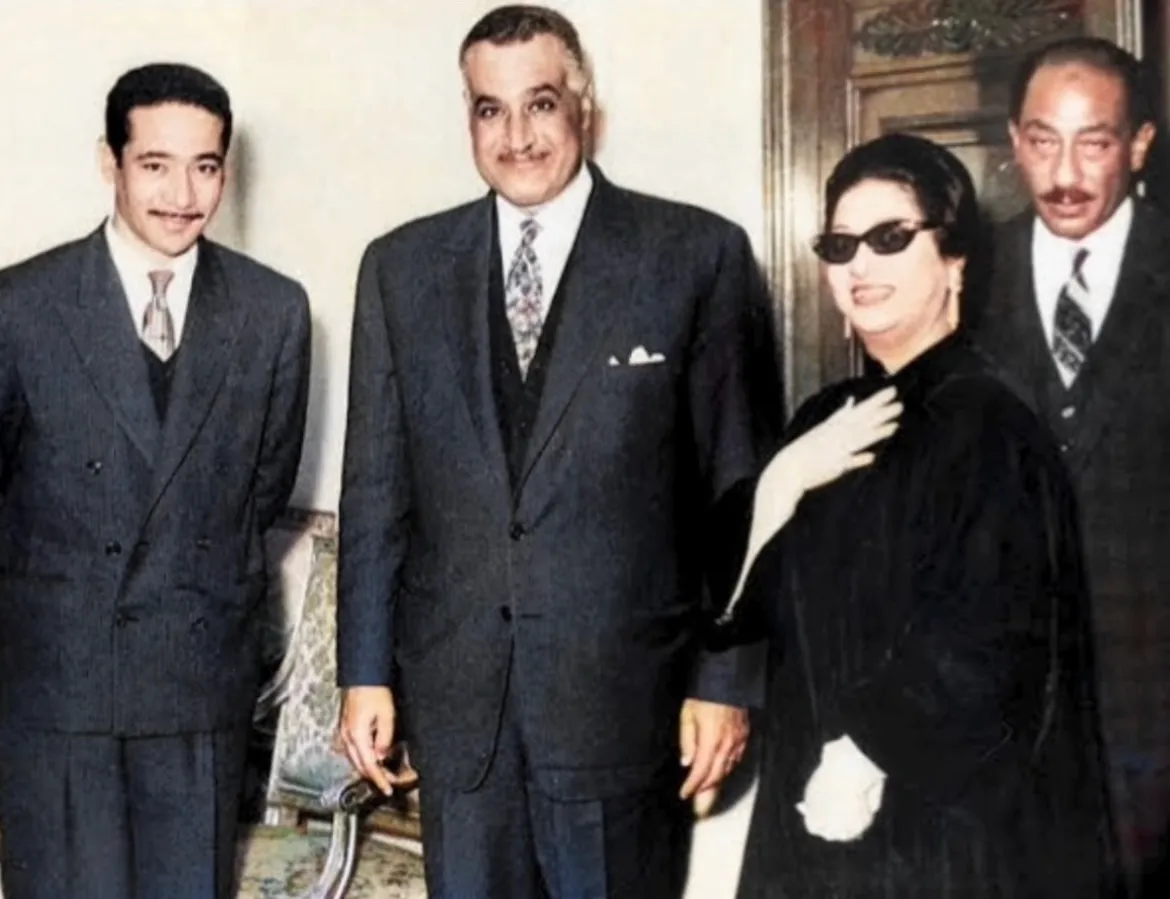
The closing command — stand the stand of resolve — was first recorded for radio in 1951, after a performance at Cairo's Cinema Radio in December 1950. From the first hours after the Free Officers' communiqué of July 23, 1952, Cairo radio played the song as the revolution's unofficial anthem, and Umm Kulthum sang it at the new republic's gala celebrations. The irony was not small: her repertoire was briefly blacklisted as old-regime music until, as the story goes, Nasser asked whether the Pyramids should be demolished for the same offense.
معنى الأغنية
حين لحّن رياض السنباطي قصيدة حافظ إبراهيم عام 1951 كان شاعر النيل قد رحل قبل ذلك بتسعة عشر عامًا، وكانت القصيدة نفسها قد كُتبت في زمن آخر: نشرها حافظ في ديوانه عام 1927 بعنوان «مصر»، سبعةً وخمسين بيتًا على بحر الخفيف ألقاها في حفل تكريم عدلي يكن باشا. اختارت أم كلثوم منها سبعة عشر بيتًا فاكتملت المعجزة البلاغية التي أرادها الشاعر: مصر ذاتها تقف أمام الخلق جميعًا وتتكلم بصيغة المؤنث المتكلم — أنا تاج العلاء، إنني حرة، قد وعدت العلا — فلا يعود النشيد كلامًا عن الوطن بل كلام الوطن نفسه. وصاغ السنباطي اللحن على مقام الراست، مقام الفخر والوضوح، وقدّم له بمقدمة احتفالية تُقرع فيها التيمباني وتتعاقب فيها حركات ثلاث تمزج الراست بإشراق الماجير، ثم وزّع الأبيات على محطات مقامية متدرجة: حجازكار عند «أنا إن قدّر الإله مماتي»، وبياتي النوا عند «كم بغت دولة»، وحجازكار كرد عند سؤالي العدل والحق، قبل العودة الظافرة إلى الراست في «وارفعوا دولتي». وبلغ صوت أم كلثوم ذروته الشهيرة عند «عناية الله جندي»، حيث ينفتح اللحن انفتاح الرايات. ولعل أعجب ما في هذه الأنشودة توقيتها؛ فقد سجلتها أم كلثوم قبل الثورة بعام — غنّتها في سينما راديو في ديسمبر 1950 ثم للإذاعة عام 1951 — وكأنها ومصر تستشعران ما يلوح في الأفق. فلما قامت ثورة يوليو 1952 أذاعتها القاهرة منذ الساعات الأولى للبيان، وصارت القصيدة نشيد العهد الجديد غير الرسمي، وغنّتها أم كلثوم في احتفالات الجمهورية الوليدة. وهكذا تحقق للبيت الذي كتبه حافظ في زمن الاحتلال — «إنني حرة كسرت قيودي» — أن يتحول من مجاز شعري إلى خبر يُذاع، ولحافظ إبراهيم أن يكتب، من وراء الغياب، نشيد ثورة لم يشهدها.
أغانٍ ذات صلة
كل الأغانيولد الهدى
1949 · المقام Rast
ولد الهدى (1949): همزية شوقي في المولد النبوي بلحن السنباطي على مقام الراست — أجرأ ما غنّته أم كلثوم عن الإيمان والعدل والمساواة.
سلوا قلبي
1946 · المقام Rast
سلوا قلبي (1946): قصيدة أحمد شوقي بلحن رياض السنباطي على مقام الراست — الأغنية التي جعلت «وما نيل المطالب بالتمني» حكمة جيل بأكمله.
إلى عرفات الله
1951 · المقام Huzam
إلى عرفات الله (1951): قصيدة أحمد شوقي في الحج بلحن رياض السنباطي على مقام الهزام — قصة نشيد الحجيج بصوت أم كلثوم مع الشرح والترجمة.
رباعيات الخيام
1950 · المقام Rast
رباعيات الخيام (1950): ترجمة أحمد رامي لعمر الخيام بلحن رياض السنباطي على مقام الراست — معنى الرباعيات المغناة وقصتها وترجمة مقاطع منها.
من الموسوعة
كل المقالاتمفاهيم
فهم المقام
دليل مبسّط إلى نظام المقامات — أرباع الأصوات والسير والطرب — عبر أربعة مقامات من أغاني أم كلثوم: الراست والكرد والهزام والفرحفزا.
مفاهيم
من أين تبدأ مع أم كلثوم: دليل المستمع
دليل المستمع الجديد إلى أم كلثوم: بأي الأغاني تبدأ، من إنت عمري إلى الأطلال، وكيف تستمتع بحفلات الطرب الطويلة وتسجيلاتها المتعددة.
مفاهيم
فن القصيدة
القصيدة أرفع ما غنّته أم كلثوم من الشعر الفصيح. جولة في سلوا قلبي والأطلال والرباعيات ونهج البردة، وفنّ رياض السنباطي في تلحين القصيد.