Umm Kulthum did not write her own melodies. Her genius was that of the interpreter — and interpretation of the highest kind, the kind that made composers write their best work knowing whose voice would carry it. Across half a century a small circle of composers built the music that became “an Umm Kulthum song,” and each of them gave her a distinct sound. To know them is to hear her whole career laid out as a sequence of collaborations.
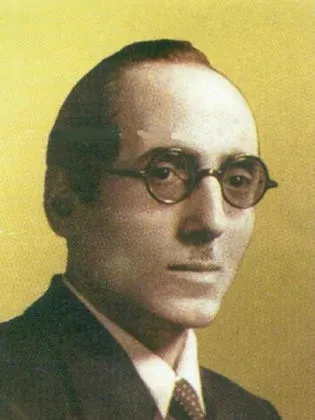
Mohamed El-Qasabgi — The First Modernist
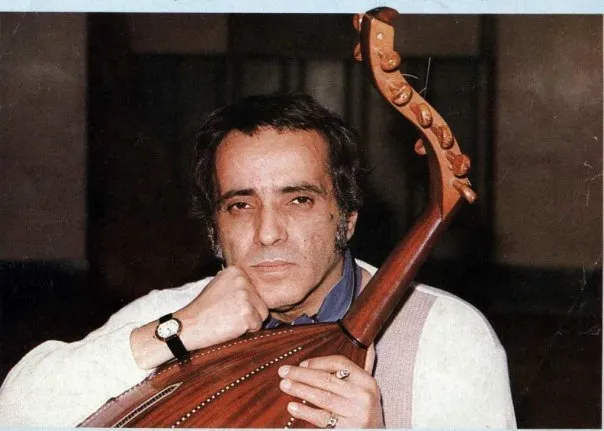
Before anyone else there was Mohamed El-Qasabgi, the oud virtuoso who began composing for her in the mid-1920s, soon after she reached Cairo. He was her first great modernist: he pioneered the Egyptian monologue — the through-composed dramatic song freed from strophic repetition — and stretched the maqam tradition with harmonies and instrumental colors no one had dared before. When her taste later turned elsewhere, Qasabgi accepted a quieter fate with rare devotion, staying on as the oudist of her ensemble, seated near her on stage at every concert until his death in 1966. The innovator who opened her path spent his last decades accompanying the music of others.
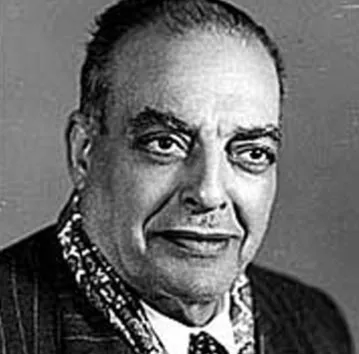
Zakariyya Ahmad — The Voice of the Street
If Qasabgi looked upward toward art music, Zakariyya Ahmad looked outward to the Egyptian street. His songs are the earthiest and most joyously colloquial in her repertoire — built on Cairene wit, folk feeling, and an unerring sense of what a popular audience loved. Often working with the vernacular poet Bayram al-Tunisi, he gave her the playful tenderness of Ghanni Li Shwayya and the rueful charm of songs like Ahl al-Hawa. Where others aimed for the sublime, Zakariyya aimed for the true, and his melodies remain a reservoir of unforced Egyptian tarab.
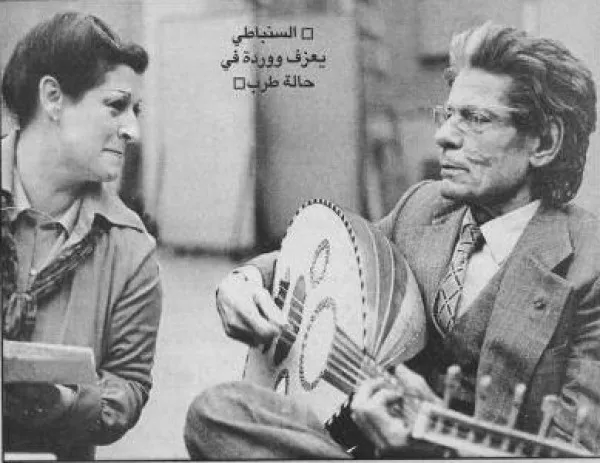
Riad al-Sunbati — The Long Partnership
No collaboration ran deeper or longer than the one with Riad al-Sunbati. He was above all the composer of her classical repertoire — the master of setting the qasida, the sung classical poem, letting the meter and meaning of the verse lead the melody. His hand shaped Al-Atlal, the Rubaiyat el-Khayyam, and the great religious and neoclassical odes. He wrote more for her than any other composer — hundreds of songs across four decades — and she is said to have honored him with the title al-Abqari, “the Genius.” When people speak of the towering, hour-long masterpieces of her maturity, they are usually speaking of Sunbati.
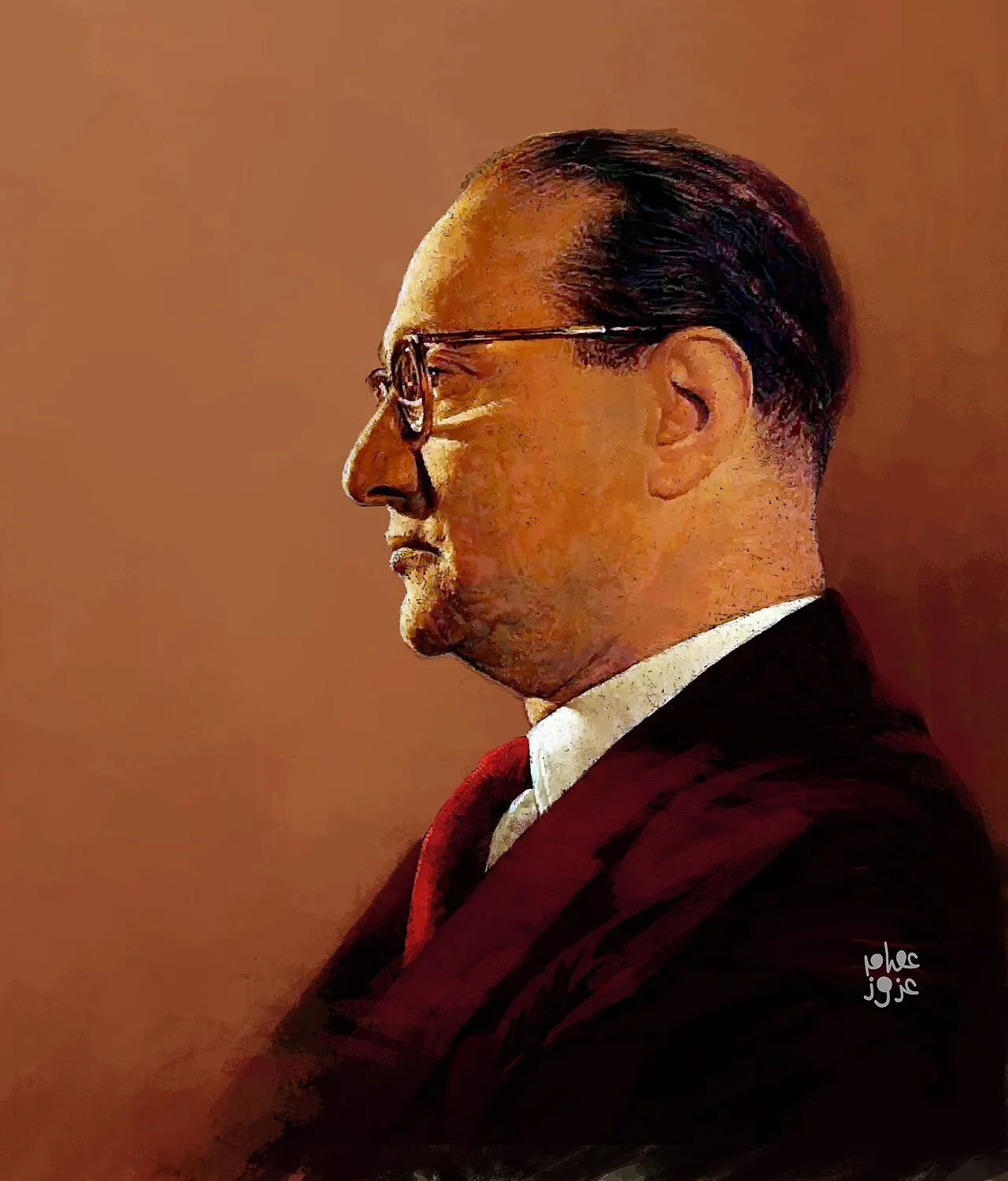
Mohammed Abdel Wahab — The Meeting of the Giants
For decades Mohammed Abdel Wahab — himself a colossus of Egyptian music, singer and composer both — had stood at a respectful distance, the one peer large enough to rival her. Their long-awaited collaboration finally came in 1964 with Enta Omri, billed and remembered as liqa al-‘imlaqayn, “the meeting of the two giants.” It was a sensation, and it opened a late, lush chapter: Fakkarouni, Amal Hayati, and more, songs that married her voice to Abdel Wahab’s sweeping, cosmopolitan orchestrations and even the electric guitar and organ of the 1960s.
Baligh Hamdi — The Young Generation
The youngest of her major composers, Baligh Hamdi brought the energy and rhythmic drive of a new era into her final decade. His Alf Leila wa Leila — a vast, glittering fantasia — became one of her most beloved late works, and songs like Hob Eih and Fat al-Ma’ad showed how a modern popular sensibility could still serve her monumental scale. That the reigning queen of Arab song entrusted her repertoire to composers a generation younger is itself a measure of her openness.
The Wider Circle
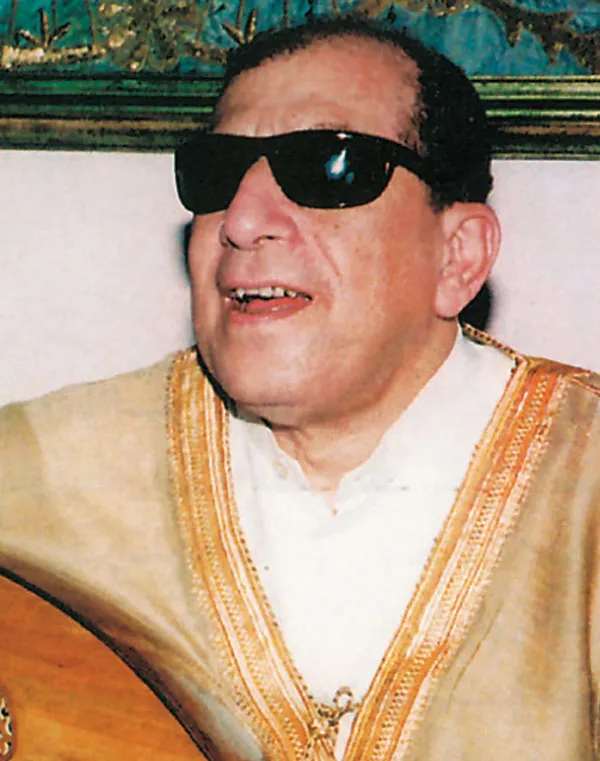
Around these five moved others who gave her memorable songs — among them Sayed Mekawy, the blind Cairene composer of Ya Msaharni, one of the last great successes of her career. Taken together, this circle is why no single decade of Umm Kulthum sounds quite like another: she chose her composers as carefully as they chose their notes, and the arc of her voice is, in the end, the arc of the men who wrote for it.